
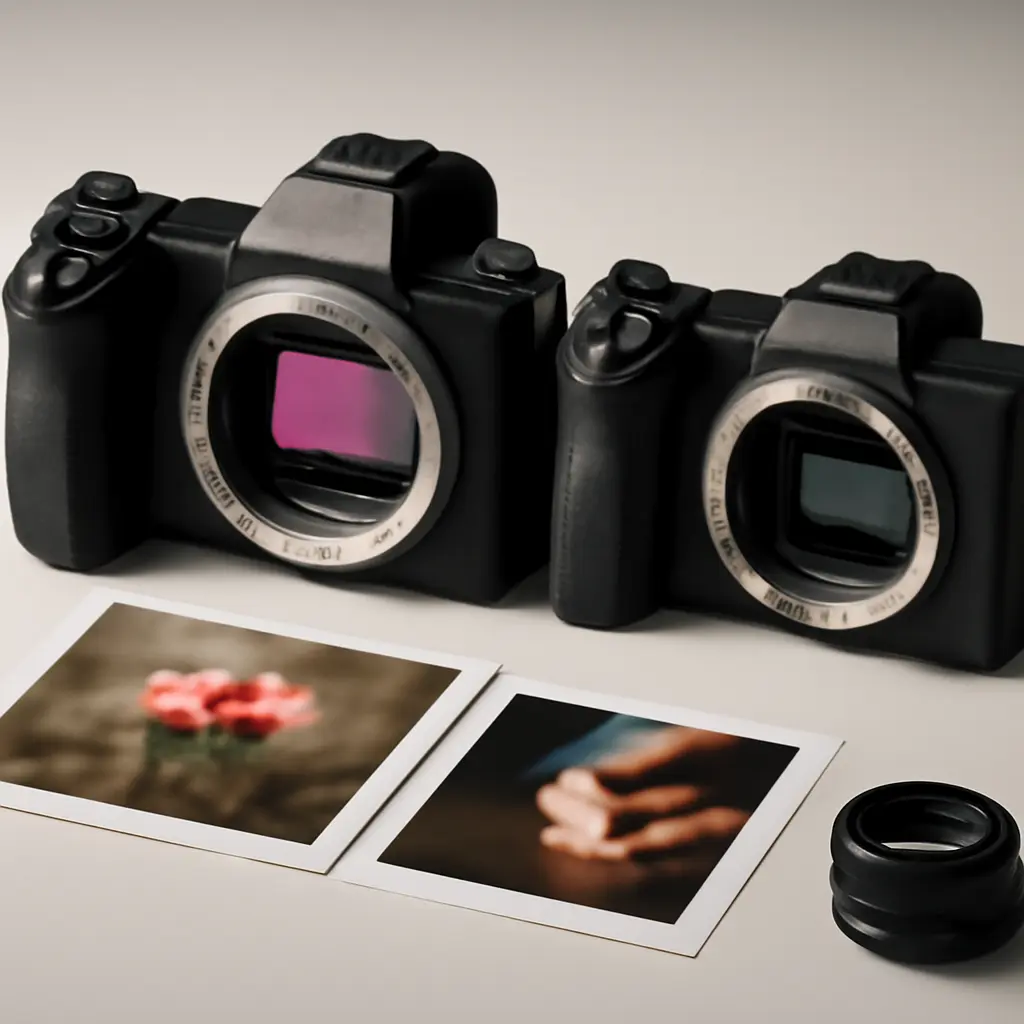
Which sensor choice suits your photography?
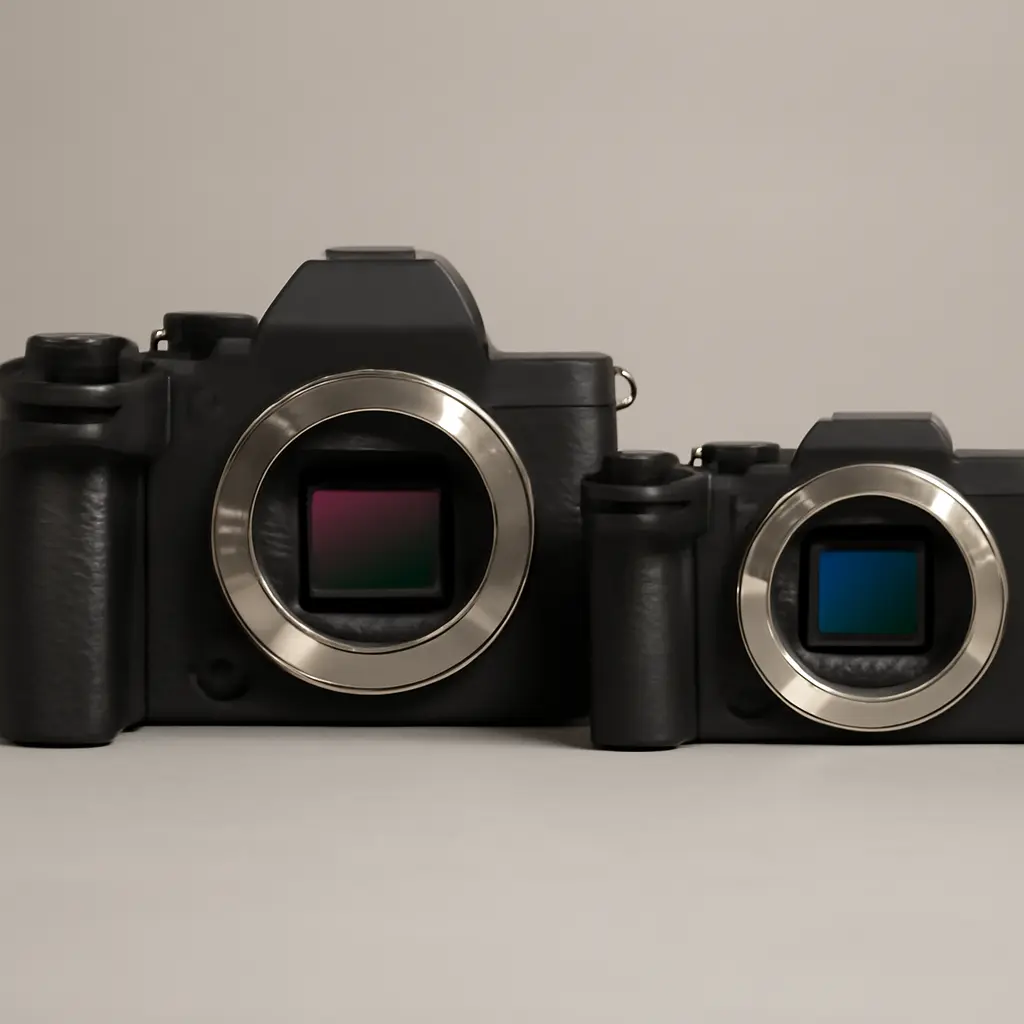
Choosing between a full-frame and a crop sensor camera is one of the biggest decisions photographers make. On a forum about photography, opinions run strong, but the right choice depends on practical trade-offs: image quality, low-light performance, lenses, and budget. Throughout this article we’ll break down those trade-offs clearly, and—yes—I'll even draw a few analogies to a Casino overview rating because picking gear is a lot like assessing reputation, risk, and value when you choose where to play.
Quick overview: full-frame vs crop
Full-frame sensors are physically larger (roughly the size of 35mm film) while crop sensors like APS-C are smaller and introduce a crop factor (commonly ~1.5x or 1.6x). The result: different depth of field, field of view, and noise performance. Think of sensor choice like choosing a casino based on its Casino overview rating: larger, reputable options often cost more but offer advantages; smaller options can be smarter choices for specific needs.
Below we dive deeper into the technical points and practical scenarios where one sensor wins over the other.
Image quality and dynamic range
Pixel size matters. A larger sensor usually supports larger pixels at the same megapixel count, which translates to better dynamic range and cleaner tones in highlights and shadows. In plain terms: a full-frame camera frequently delivers more latitude when recovering details in RAW files.
That advantage is similar to choosing a casino with a higher Casino overview rating: you generally get more predictable, higher-quality results from a top-rated establishment. But a lower-rated venue (or a crop sensor) can still be the best practical fit depending on goals and budget.
Low-light performance and ISO
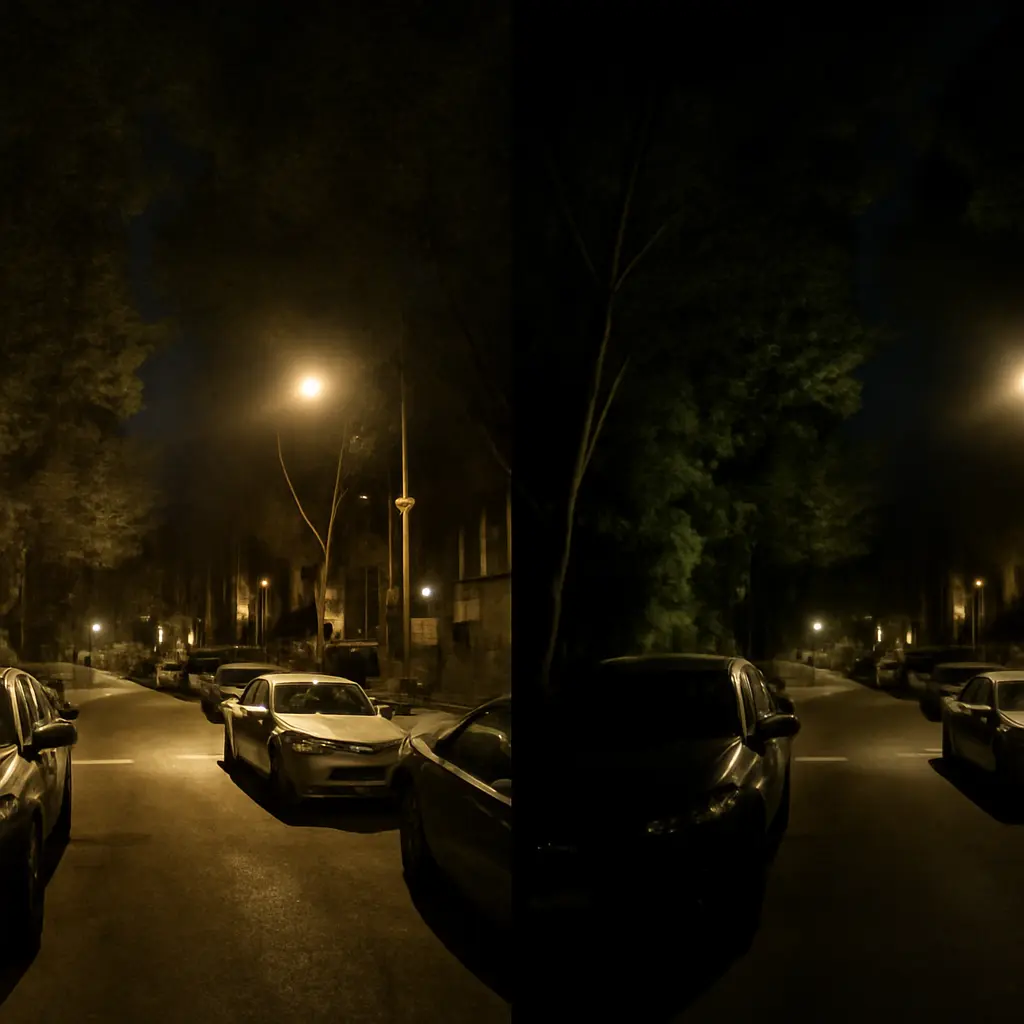
Full-frame sensors typically perform better at high ISO because of improved signal-to-noise ratios. If you shoot indoor events, weddings, or night skies, that advantage becomes tangible. For portraits shot in low light, follow practical settings and hacks (for instance, see this Low-light portraits guide) to maximize results on any sensor.
- Full-frame: cleaner high-ISO files, wider dynamic range
- Crop sensor: more noise at the same ISO, but excellent with modern processing software
Field of view and reach
Crop sensors give an effective telephoto advantage: a 50mm lens on an APS-C body behaves like a 75–80mm lens on full-frame due to the crop factor. That can be an advantage for wildlife and sports where reach matters more than ultra-wide angles.
- Do you need wide-angle? Full-frame wins for shorter focal lengths and shallower depth of field.
- Do you need reach on a budget? Crop sensors give extra apparent focal length without the cost of super-tele lenses.
- Are you balancing lens investment and resale? Consider the camera-lens ecosystem's reputation, similar to checking a Casino overview rating before committing funds.
Lenses, system costs, and practical budget
Lenses are where most photographers actually spend their money. A high-quality lens often matters more than a small jump in sensor size. Crop systems can be cheaper overall because many lenses are smaller and less expensive; full-frame lenses are often larger and pricier. Always total the kit cost—body plus lenses—before deciding.
On forums and buying groups, you'll see comparisons of total cost like a gambler comparing casinos by bankroll requirements and payout odds. A reputable vendor with a strong Casino overview rating will give confidence—but for gear, that translates to warranty, service, and resale value.
Depth of field and creative control
Depth of field (DoF) responds to sensor size, aperture, and subject distance. Full-frame provides shallower DoF for the same aperture and framing, helping subject separation and creamy backgrounds. If bokeh and background separation are key, full-frame is appealing. If you prefer more depth of field (e.g., landscape, macro), crop sensors can make it easier to keep more in focus without stopping down.
Use-case scenarios: choose by genre
Below are practical recommendations that map sensor choice to photographic needs—think of this like reading a Casino overview rating for different game types: some casinos are better for slots, others for high-stakes table play.
| Genre | Sensor Recommended | Why |
|---|---|---|
| Landscape | Full-frame | Wider field of view, better dynamic range |
| Portrait | Full-frame | Shallower depth of field, creamier bokeh |
| Wildlife/Sports | Crop sensor | Effective extra reach, lower kit cost |
| Travel/Street | Either | Balance of size, weight, and lenses |
Sensor choice, resale, and long-term value
Buying decisions benefit from research. On community forums, photographers often discuss resale trends and brand ecosystems: some systems hold value better, similar to how a top-tier casino sustains ranking in a Casino overview rating. Factor in firmware support, lens lineup, and the likelihood of future upgrades.
If you’re unsure, renting or buying gently used gear reduces risk. Another helpful resource is deep-dive discussions on mirrorless systems—this Mirrorless guide explains why mirrorless isn’t always better and how to avoid common pitfalls when evaluating systems.
Practical tips to decide today
Here are simple steps you can take right now when choosing:
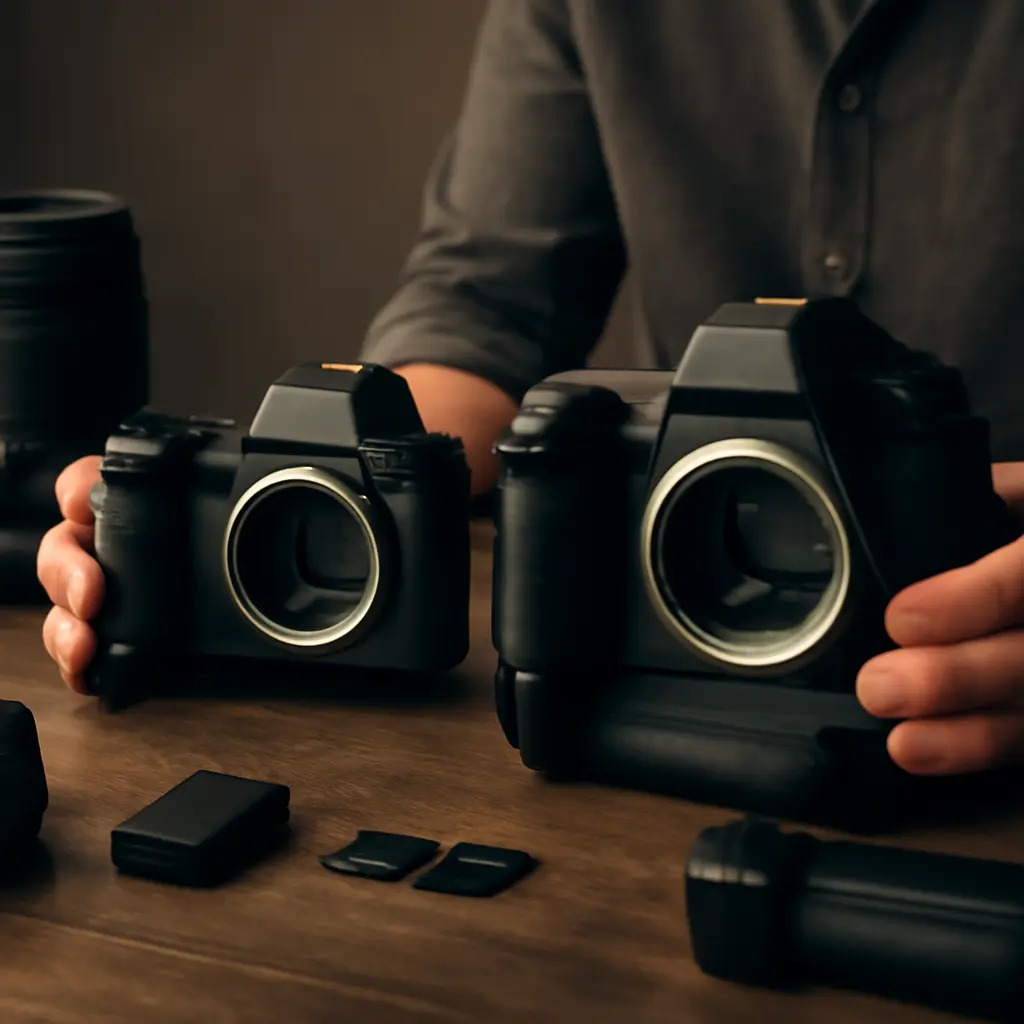
- Test drive both sensor types with the lenses you'll actually use.
- Calculate the total kit cost and compare it to the value returned (resale, service).
- Prioritize what matters: low-light IQ, reach, or depth of field control.
- Check community feedback and reputations—analogous to consulting a reliable Casino overview rating before committing.
Warnings and common misconceptions
Beware exaggerated claims on forums: full-frame isn't a magic bullet. Modern crop sensors perform impressively, especially with advanced noise reduction and RAW processing. Also, don’t assume full-frame is always heavier—the system weight depends largely on lenses.
Important: Buying into a platform for marketing hype can cost you. Instead, treat system choice like checking a casino’s reputation: verify specific metrics and user experiences rather than marketing alone.
Conclusion: match the sensor to your goals
There is no absolute winner. If you want the cleanest high-ISO files, shallower depth of field, and best dynamic range, a full-frame system is compelling. If you need extra reach, smaller lenses, or a lower entry cost, a crop sensor makes sense. Use the practical checklist above, ask for sample files in forums, and weigh long-term costs. And remember—reviewing a Casino overview rating is a useful mental model: assess reputation, risk, and value before you commit. Happy shooting, and keep sharing your results on the forum so others can learn from your real-world tests.
To leave a comment, please sign up or log in
Log in / Sign up