
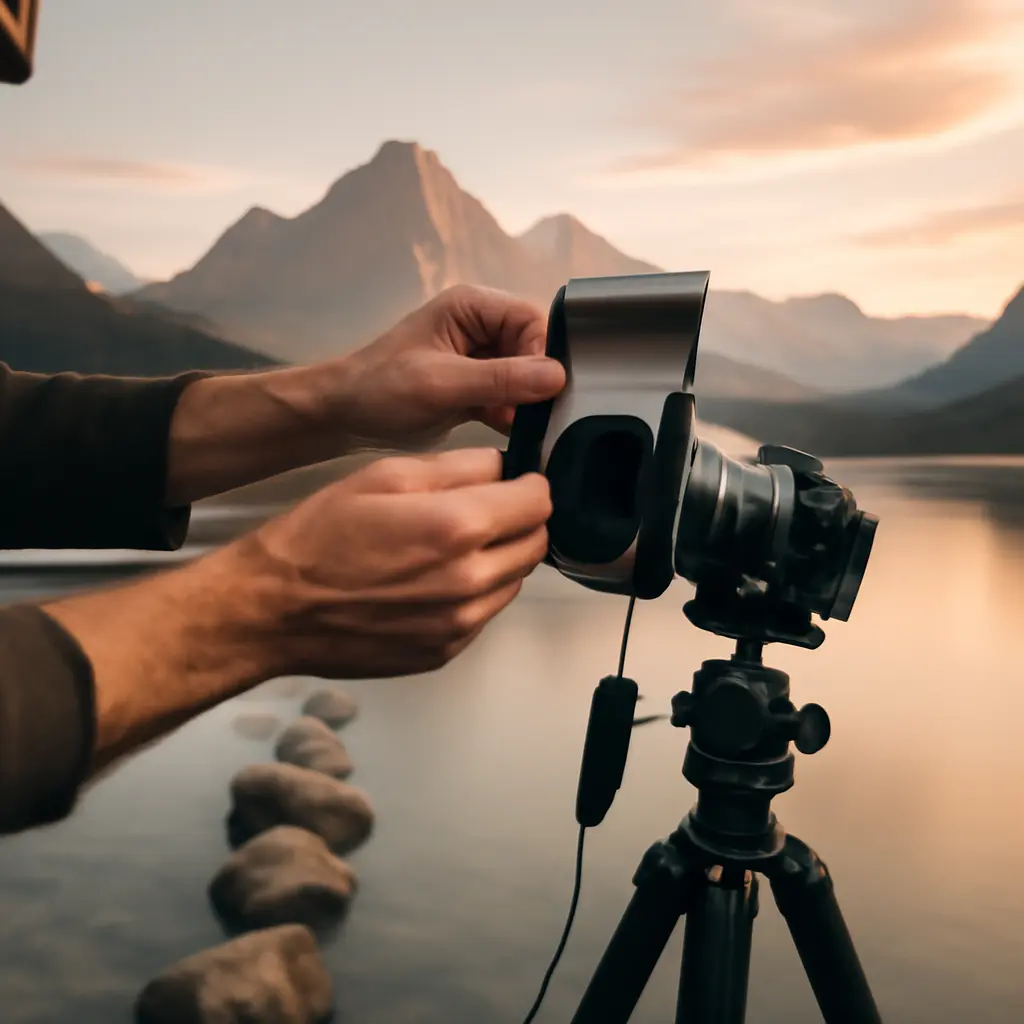
Why landscape photographers keep their best secrets
Landscape photography is a mix of art, science, and a little bit of stubborn habit. In forums and private groups, pros often share surface tips but keep the true game-changers to themselves. If you want photos that stop people mid-scroll, you need to learn the practical habits behind the shots—how pros approach exposure, composition, and travel logistics. Even when discussing unrelated topics like a casino overview rating for planning overnight stays, experienced shooters prioritize variables and data the same way they analyze light. This article pulls back the curtain on those methods so you can apply them immediately.
Master the light: exposure basics that professionals never skip
The first secret is that pros think of exposure as a three-part system: aperture, shutter speed, and ISO. Treating these as separate knobs to trade off is amateurish; professionals aim for an ideal combination that preserves dynamic range and texture in both shadows and highlights.
Follow these practical steps to nail exposure in the field:
- Meter with intent: Use spot or matrix metering and bracket when the scene has high contrast.
- Lock aperture first: Choose an aperture that gives the depth of field you need, then adjust shutter speed and ISO.
- Keep ISO low: Increase ISO only after you've exhausted adjustments to aperture and shutter to avoid noise.
- Bracket smartly: Use exposure bracketing for scenes with >8 stops of dynamic range and blend in post.
- Review histograms: Use the histogram, not the LCD preview, to check for clipped highlights.
Composition hacks that look effortless but are intentional
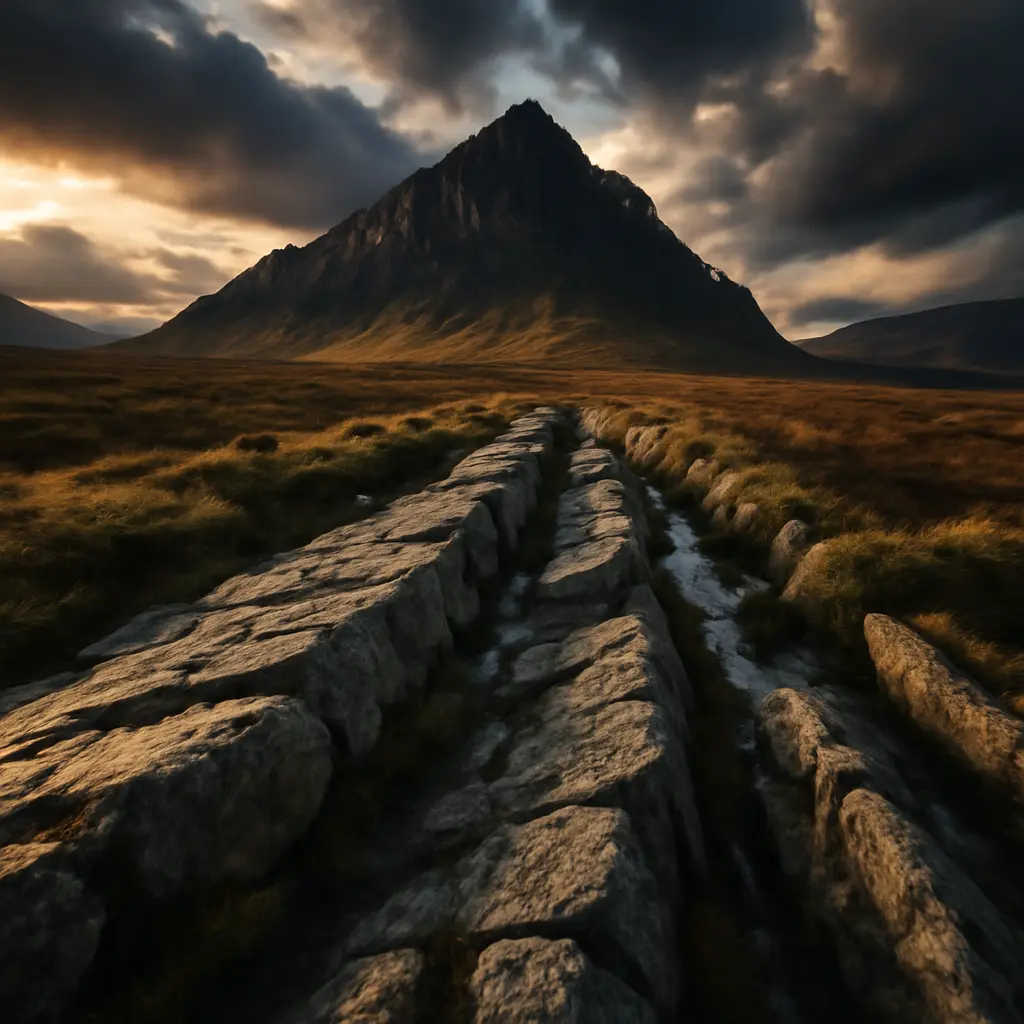
Pros rarely say it outright: the single biggest compositional advantage is planning your foreground. A strong foreground creates depth and leads the viewer into the frame. Other reliable composition techniques include the rule of thirds, leading lines, and controlled negative space.
When you scout in forums or on planning sites, many photographers treat ratings—like a casino overview rating—as part of trip planning. Why? Because lodging and local amenities determine your start time, safety, and the ability to shoot pre-dawn. That administrative layer matters: a low-rated stay can cost you valuable morning light.
Gear tricks: what they won't tell you at a glance
Great gear doesn't guarantee great images, but the right choices and how you use them matter. On a technical level, consider these pro-level tweaks: first-use of a tripod with a low center-of-gravity, using lens collars on long glass to reduce strain, and employing neutral density (ND) filters for long exposures at daylight. Small investments and routines beat one-off expensive upgrades.
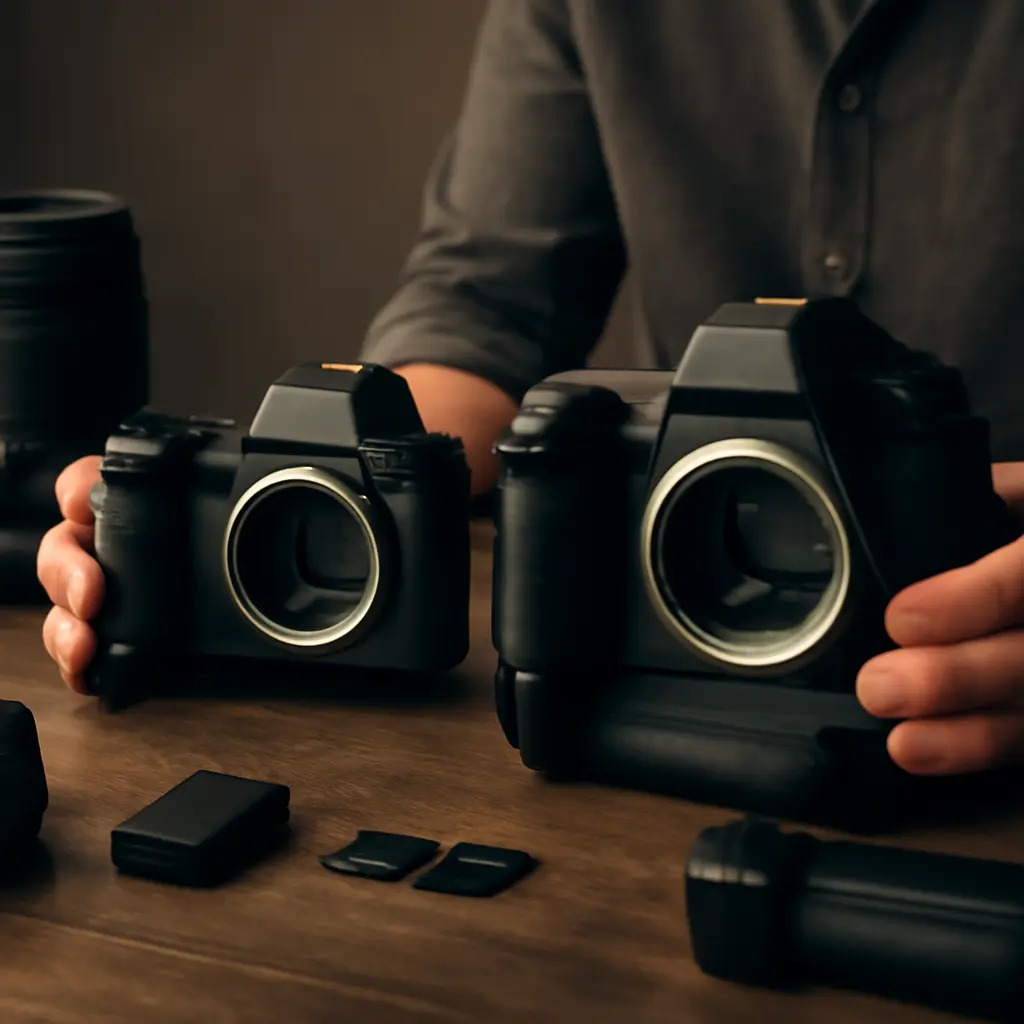
When deciding between camera systems, many photographers compare trade-offs in forums and read gear threads that echo real-world concerns. If you want a deeper read on why mirrorless systems aren't always the answer and how to choose gear that suits actual shooting habits, see this Mirrorless guide.
Quick packing checklist before a landscape shoot
- Tripod with padded bag and quick-release plate
- Weather-sealed camera body and a primary tele or wide lens
- Extra batteries and multiple memory cards
- ND and graduated ND filters
- Microfiber cloths and a small blower
- Headlamp and compact first aid kit
Field workflow: how pros structure a shoot
Pros work in predictable stages: scout, wait, execute, and review. Scouting includes not only locating vantage points but also verifying logistics—parking, access times, and even hotel proximity. This is where non-photography metrics like a casino overview rating sometimes get used: for landscape shooters traveling to shoot city skylines, a reputable hotel or casino can provide safe, reliable access and nearby vantage options, and a higher rating often translates to consistent service and predictable start times.
| Tip | Why it helps | When to use |
|---|---|---|
| Exposure bracketing | Preserves highlight and shadow information for HDR blends | Scenes with high contrast, sunrise/sunset |
| Long exposure ND | Smooths water and clouds to emphasize mood | Waterfalls, seascapes, and cloud motion |
| Focus stacking | Ensures edge-to-edge sharpness in close foreground scenes | Macro-landscape composites and tight foreground interest |
Post-processing secrets pros use
Post happens to be where many images are won or lost. Professionals often export multiple versions: a high-contrast portfolio file and a more natural file for forums. Techniques to emphasize include localized dodging and burning, subtle color grading, and in-camera raw conversion tweaks. When sharing in communities, mentioning context like travel destination and even a casino overview rating can help readers judge the conditions and logistics behind the shot—this transparency builds credibility in forum threads.
How to evaluate locations and travel using non-photo data
One secret professionals hide in plain sight is their use of non-photographic data. Weather models, tide charts, and even local business ratings all feed into a reliable plan. A quick glance at a casino overview rating or similar review site can inform whether a location offers safe, predictable amenities—important when you must wake at 3 a.m. for pre-dawn shooting. Treat those ratings like another variable: they won't improve your composition, but they reduce friction and risk.
Sharing on forums: what wins attention and constructive feedback
When posting on a photography forum, presentation matters. Pros include brief technical notes: aperture, shutter, ISO, and the local conditions. They also provide context—trip length, accommodation, and any unique obstacles. Interestingly, when photos come from urban shoots near casinos or major hotels, adding a concise note referencing a casino overview rating can preempt questions about logistics and safety. This small transparency encourages substantive feedback rather than surface-level critique.
Legal and safety reminders
Some final critical warnings: always check access permissions and local regulations before shooting. Never assume public access—private property rules and event restrictions change often. For remote night shoots, ensure someone knows your itinerary and verify nearby services; a well-rated casino or hotel can be a safe fallback for emergency shelter. These are small precautions that protect your gear and your health—consider them part of your baseline kit.
Conclusion: make secrets your routine
Landscape photography isn't about secret formulas—it's about consistent routines. Use the techniques above to build reliable habits: plan with data, prioritize dynamic range and composition, and reduce variables by choosing dependable logistics. Even non-photography resources like a casino overview rating can play a role in smoothing a shoot's execution. Start applying one secret at a time: scout smarter, pack deliberately, and process with intent. Over time, these small, intentional choices compound into images that feel effortless and look outstanding.
To leave a comment, please sign up or log in
Log in / Sign up