
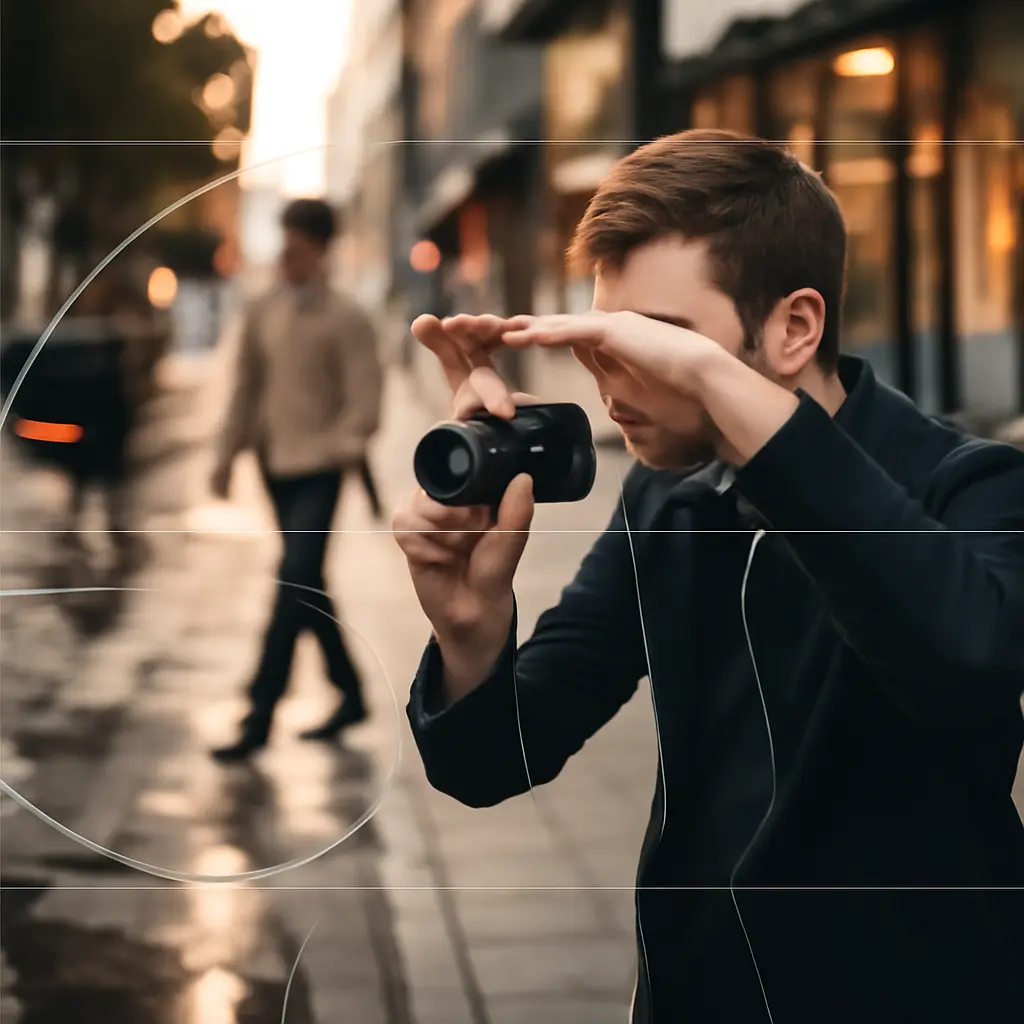
Fast-Track Composition for Street Photography
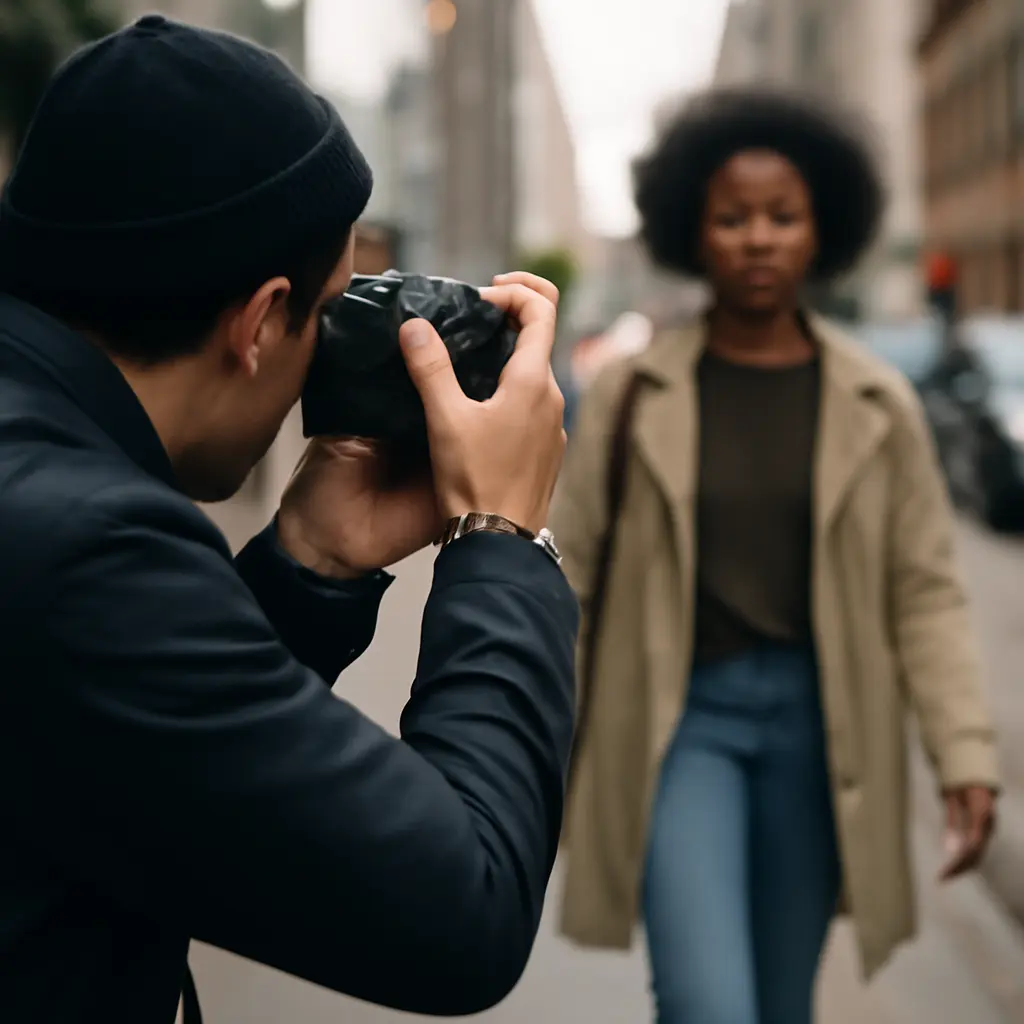
Welcome to a sharp, focused crash course on street photography composition you can practice in just five minutes. This article is written for busy photographers and forum participants who want quick, repeatable wins for better frames—no long tutorials, just compact techniques and a few exercises you can repeat on any walk. Along the way we'll also make practical comparisons to a Casino overview rating mindset: evaluate, prioritize, and choose what matters most for each shot.
Why composition in five minutes matters
Street work rewards visual decision-making over complex gear tweaks. In the time it takes to grab a coffee, you can refine a compositional habit that consistently raises your images. Treat each frame like a small audit—similar to how a Casino overview rating assesses multiple elements quickly (design, odds, trust). For photographers that means scanning for light, subject, and geometry before pressing the shutter.
Quick mindset: rate like a casino review
Adopting a Casino overview rating approach helps: give each potential photo a quick score out of three—interest, clarity, contrast. If a scene scores at least two, shoot. This fast filter saves time and trains your eye to spot winners in unpredictable streets.
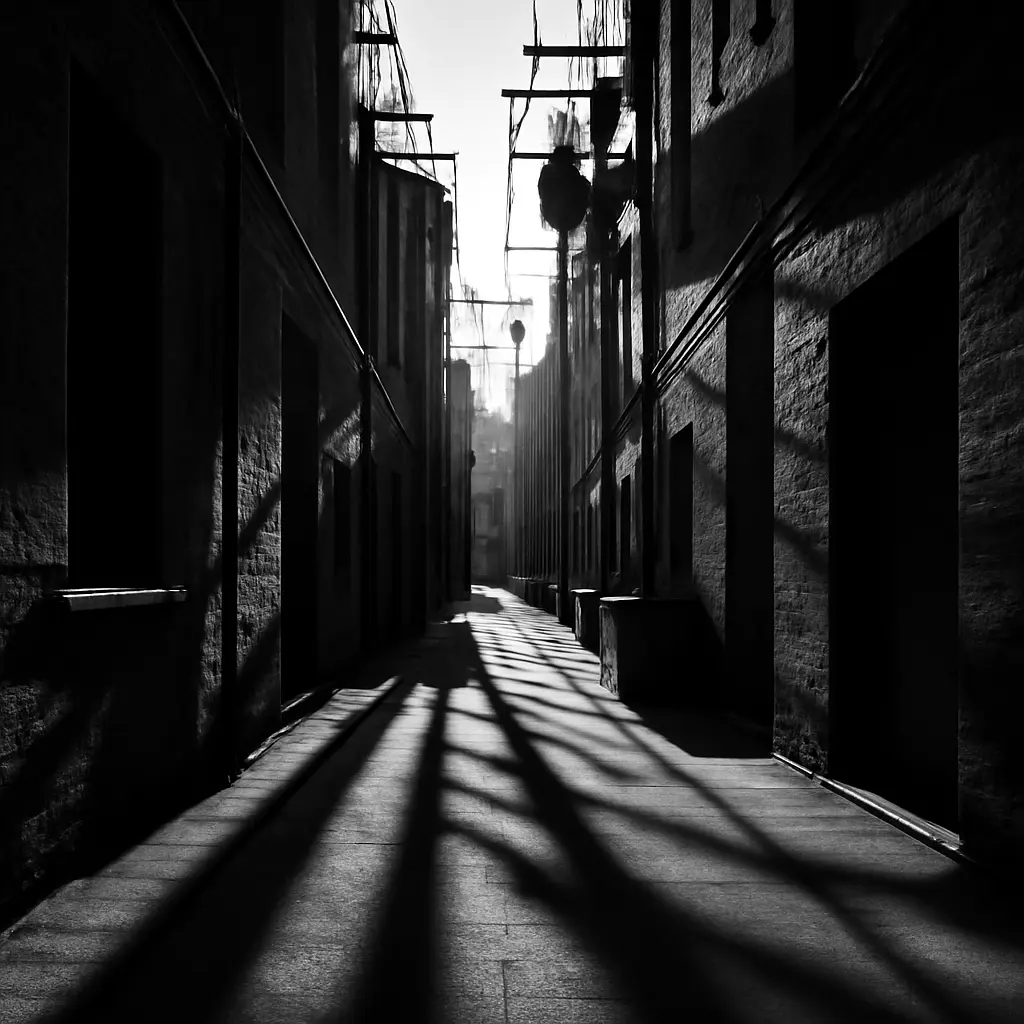
Before the exercises, remember that composition is both rule-driven and playful. Use the rules to make fast choices, then break them deliberately. In many forum threads, photographers compare outcomes like they compare a Casino overview rating—looking for consistent winners rather than one-off luck.
Five-minute routine: step-by-step
- Scan the frame (30 seconds) — Quickly identify the main subject or gesture and any competing elements.
- Check the light (30 seconds) — Side light, rim light, and reflected light often create the strongest street portraits.
- Position for lines (60 seconds) — Move a step left/right to align leading lines or to create a tighter composition.
- Subtract clutter (60 seconds) — Physically remove distractions if possible, or shift angle to hide them.
- Decide exposure (30 seconds) — Choose shutter/aperture/ISO; if unsure, nudge exposure for highlights.
- Shoot multiple frames (30 seconds) — Capture a short burst to ensure sharpness and expression.
This short routine mirrors how a concise Casino overview rating examines key factors quickly: focus on points that change the result most.
Three quick exercises to train your eye
- Leading Lines Drill: Spend two minutes following lines across a block—doorways, pavement seams, rails—shoot three frames where lines lead to a subject.
- Frame-in-Frame Challenge: For five minutes, only shoot images that use archways, windows, or shadows as frames inside the frame.
- Decay and Detail Hunt: Capture textures, faded posters, and weathered surfaces; these details often raise an image’s interest metric like a strong factor in a Casino overview rating.
These exercises are best repeated daily. Over a week, treat each set like a micro review and note what consistently improved your score—similar thinking to iterative updates in a Casino overview rating process.
Composition rules that work fast
Keep these practical rules in your pocket. Each one can be applied in seconds when an opportunity appears:
- Rule of Thirds — Place key elements at intersections, but don’t be afraid to center for impact.
- Leading Lines — Use strong diagonals to draw the eye into the scene.
- Negative Space — Give subjects breathing room to emphasize emotion.
- Foreground Interest — Add layers (foreground/midground/background) for depth.
Think of each rule as one criterion in a quick Casino overview rating—not every rule must pass, but several together make a winning photo.
Settings cheat-sheet
Here’s a compact reference table you can memorize for street shooting when time is limited. Treat the table like a mini rating card: choose the row closest to your conditions and follow the settings.
| Lighting | Shutter | Aperture | ISO Range | Notes |
|---|---|---|---|---|
| Bright sun | 1/500–1/1000s | f/5.6–f/8 | 100–200 | Freeze motion, deep depth |
| Overcast | 1/250–1/500s | f/4–f/5.6 | 200–800 | Softer light, isolate subject |
| Low light | 1/60–1/200s | f/1.8–f/4 | 800–3200 | Focus on steady stance; use IBIS if available |
Use this table like a rapid Casino overview rating—choose the row that matches conditions and prioritize the single setting that will rescue the shot.
Gear thoughts in five minutes
Gear should be a backdrop to composition. If you want a short read on what to choose for street work, check the gear trends piece for compact, real-world recommendations. The goal is to select tools that enable speed and discretion—qualities that often get highlighted in a Casino overview rating as practical advantages.
Pair your gear choices with sensor knowledge; if you're debating sensor size, see the short guide on full-frame vs crop for trade-offs that affect depth of field and low-light performance. Those trade-offs translate directly into how often you'll have to rely on composition over ISO—another metric you'd include in a quick Casino overview rating of your workflow.
Composition mistakes to avoid
Avoid these common errors, which also mirror red flags you’d see in a Casino overview rating checklist:
- Centered subject without impact — Centering is fine when it adds purpose; otherwise move your feet.
- Distracting background — Busy edges will pull attention away; reposition or wait.
- Chopped limbs — Watch where you crop; poor cuts reduce perceived quality quickly.
A quick self-audit after each shot—scoring the image like a mini Casino overview rating—helps you learn faster than endless critique threads.
Post-processing priorities
When editing, focus on these three priorities in order: crop, exposure, color. Tight cropping often corrects composition mistakes instantly. Think of each edit as improving your image's score in a Casino overview rating—small changes that lift the overall result.
Community and critique
When you post to forums, present a short context: where you shot it, your five-minute routine, and what you tried to fix. Readers respond best to concise information. If you approach feedback like a reviewer crafting a Casino overview rating, you'll get more actionable advice—critique that targets the biggest improvements first.
Closing: make the five-minute habit
Street photography is a long game built from fast habits. In five minutes a day, you can sharpen instincts, learn to evaluate a scene with a Casino overview rating mindset, and produce consistently stronger images. Practice the short routine, run the exercises, and use the settings table until it becomes second nature.
Final takeaway: train your eye to make quick choices—scan, rate, and shoot. That approach will produce more meaningful frames than waiting for perfect conditions, and it will make your forum posts and critiques more focused and useful.
To leave a comment, please sign up or log in
Log in / Sign up