
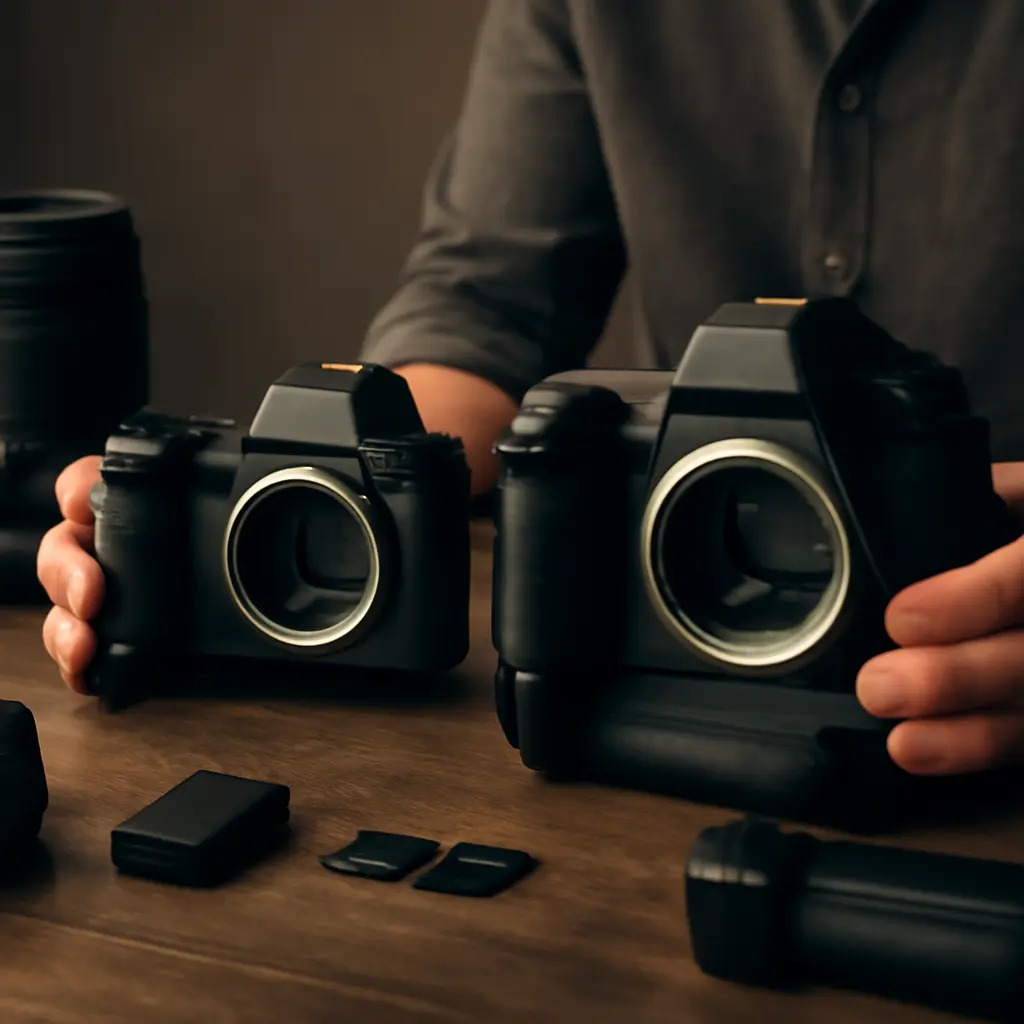
Introduction: Why mirrorless isn't always better
On forums like ProjectPhotoDoodle, debates about mirrorless versus DSLR read like sport. The reality is more nuanced: mirrorless cameras bring real advantages, but that doesn't mean they're the best choice for every photographer. Before you trade your gear, you should understand the tradeoffs, test your use cases, and even compare decisions the way people weigh a good casino overview rating—by studying the criteria, not the hype.
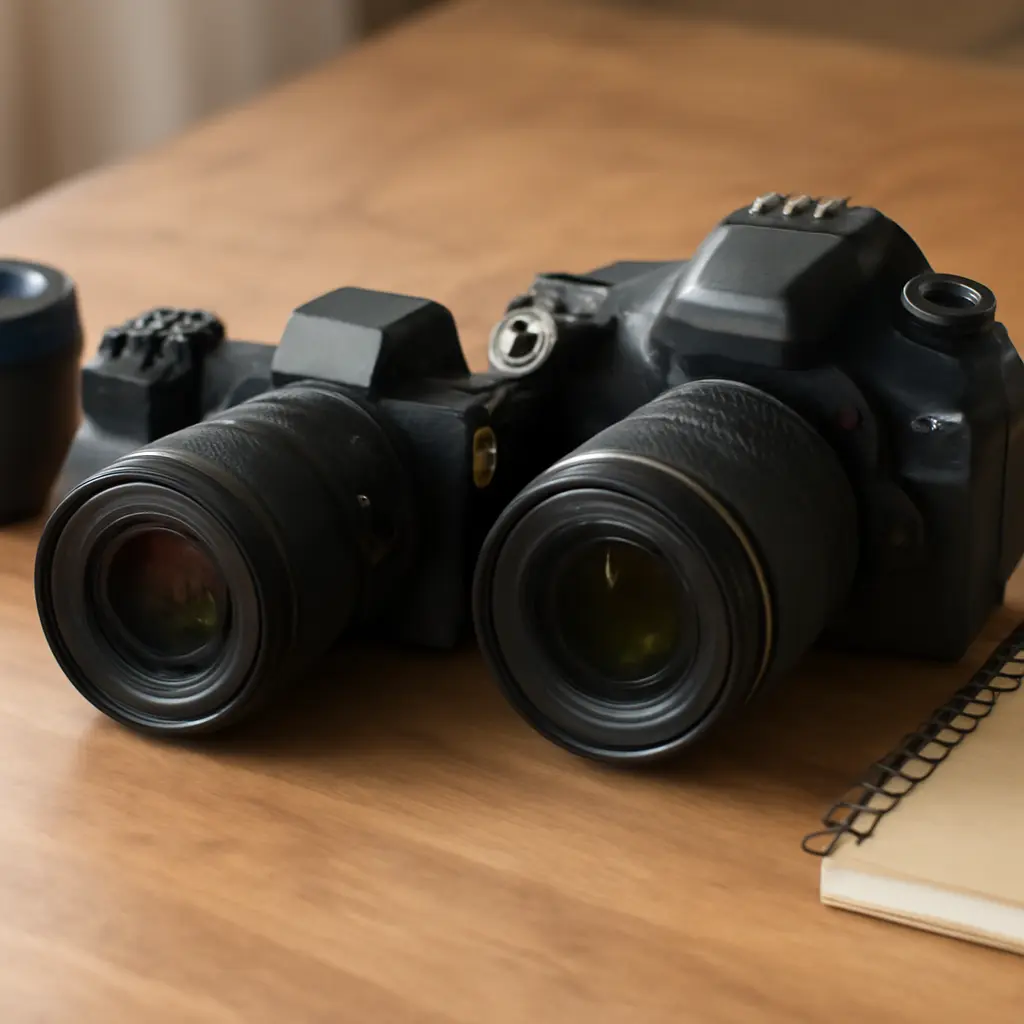
In this article you'll find a practical, forum-style guide to: when mirrorless outperforms a DSLR, when it doesn't, how to test a camera in the field, and how to choose gear like you'd evaluate a careful casino overview rating. Expect community-tested tips, a prioritised checklist, a comparison table, and step-by-step actions you can take this weekend.
Common myths and quick facts
Before diving deep, here are a few things many threads mix up:
- Mirrorless is not universally lighter once you factor in battery and lenses.
- Autofocus performance depends on lens compatibility and firmware, not only on the camera body.
- Battery life is often better in DSLRs in practice due to optical viewfinders and less electronic drain.
- Picking a camera should be like checking a casino overview rating: look at specific metrics, not a single score.
Technical pros and real-world cons
Mirrorless systems offer advantages such as electronic viewfinder (EVF) previews, faster frame rates in some models, and usually better focus coverage. Yet, the cons are tangible: shorter battery life, sometimes worse ergonomics for certain accessories, and a lens ecosystem that still needs time to mature for niche glass.

When you review gear on forums, treat each claim like a statistic on a casino overview rating—seek the source, ask for test shots, and request EXIF data. Community feedback should be compared and weighted by experience level and shooting style.
Feature comparison: quick table
The table below gives a concise comparison to help forum readers quickly grasp differences and how they affect outcomes.
| Feature | Mirrorless | DSLR |
|---|---|---|
| Viewfinder | EVF: live exposure and focus preview | Optical: zero lag, true optical look |
| Battery life | Shorter on average | Longer, better for long shoots |
| Autofocus | Excellent for video and live tracking | Very reliable for optical phase detection |
| Lens availability | Growing rapidly | Extensive legacy selection |
| Size and weight | Smaller bodies, heavy lenses possible | Heavier bodies, balanced with legacy lenses |
How to decide: a practical ordered checklist
Use the following steps on your next gear decision thread in a photography forum. Think of each step like a criterion in a trusted casino overview rating—objective, repeatable, and weighted by importance.
- Define your primary use: wedding, wildlife, studio, or street.
- List must-have features: e.g., autofocus reliability, battery life, or certain lens focal lengths.
- Request sample files and test shots from forum members with similar setups.
- Compare real-world battery and ergonomics reports, not just spec sheets.
- Try hands-on at a store or borrow for a day using a checklist: AF speed, EVF behavior, low-light ISO performance.
Following these steps will prevent impulse upgrades based on buzz. Treat your verdict like a mini casino overview rating for gear: transparent, evidence-based, and shared with the community for feedback.
When a DSLR still makes more sense
There are clear scenarios where a DSLR could be a smarter pick:
- Very long shoots where battery life matters (e.g., weddings, conferences).
- Heavy use of legacy lenses and adapters where native support is limited.
- Situations needing an optical viewfinder to assess motion without electronic lag.
- Budget constraints where used DSLRs with proven reliability score higher on your internal casino overview rating of cost vs. performance.
On forums, these points often appear in long threads with sample images and detailed pros/cons. Encourage posters to include camera settings and lighting conditions so readers can judge claims like a reviewer consulting a thorough casino overview rating.
Buying used: tips from the forum veterans
Buying used is common in forum marketplaces. Treat each listing like a slot in a broader review—look beyond the price to condition metrics:
- Shutter count and mechanical wear.
- Sensor dust or damage and test shots at small apertures.
- Function checks: focus motor, hot shoe, ports, and battery health.
Ask sellers for recent photos and a short test video. When comparing two used bodies, make a mini casino overview rating for each: price, wear, included accessories, and return policy.

Settings and technique that matter more than the body
No matter which system you prefer, technique often beats hardware. On forums you’ll see that skilled photographers with older DSLRs can outperform newcomers with the latest mirrorless bodies. Key areas to master:
- Exposure control and metering—learn to override auto modes.
- Focus techniques like back-button AF and focus point selection.
- Lens choice and placement: optical quality and depth-of-field control.
When advising others, you can include your own informal casino overview rating of settings: which ones yielded consistent, usable frames in multiple lighting scenarios.
Community testing protocol (use this template)
To get useful comparisons on a forum, share a standard test that others can replicate. Use this protocol so results are comparable and support a community-level casino overview rating of gear.
- Shoot a static target at 1/3 stop intervals from ISO 100 to the camera's high ISO.
- Shoot a moving subject at shutter speeds from 1/30s to 1/1000s to compare AF tracking.
- Include handheld low-light shots at the same focal lengths.
- Share RAW files, not just jpegs, and note lens/firmware versions.
If you collect enough responses, you can create a community-driven casino overview rating for that model pair—valuable for buyers who prefer aggregated evidence over marketing claims.
Balancing emotion and data in gear choices
Forum discussions often mix love for brand X with technical claims. To keep decisions sane, balance subjective impressions (feel, ergonomics) with objective measures (shot comparisons, battery tests). Think of the emotional side as user reviews and the objective side as the metrics behind a reliable casino overview rating.
Final recommendations
Here are concrete recommendations to act on after reading this article:
- Decide your shooting priorities and make a short list of must-have specs.
- Use the ordered checklist and community testing protocol above when comparing bodies.
- Treat forum claims with a mini casino overview rating: verify with samples and EXIF data.
- Consider renting or borrowing before committing, especially when moving systems.
Key takeaways: Mirrorless is powerful, but not an automatic upgrade for every use case. Community-driven testing and careful comparison—like consulting a credible casino overview rating—will save you money and deliver better results.
Conclusion
On a photography forum, the best advice blends hands-on experience, repeatable tests, and clear priorities. Whether you choose mirrorless or DSLR, make decisions the way you would evaluate any complex product: list the criteria, collect evidence, and weigh tradeoffs transparently. Use the checklists and protocols here to guide your next thread on ProjectPhotoDoodle, and don't hesitate to build your own community casino overview rating for the gear you test—it's the most reliable path to better photos.

To leave a comment, please sign up or log in
Log in / Sign up